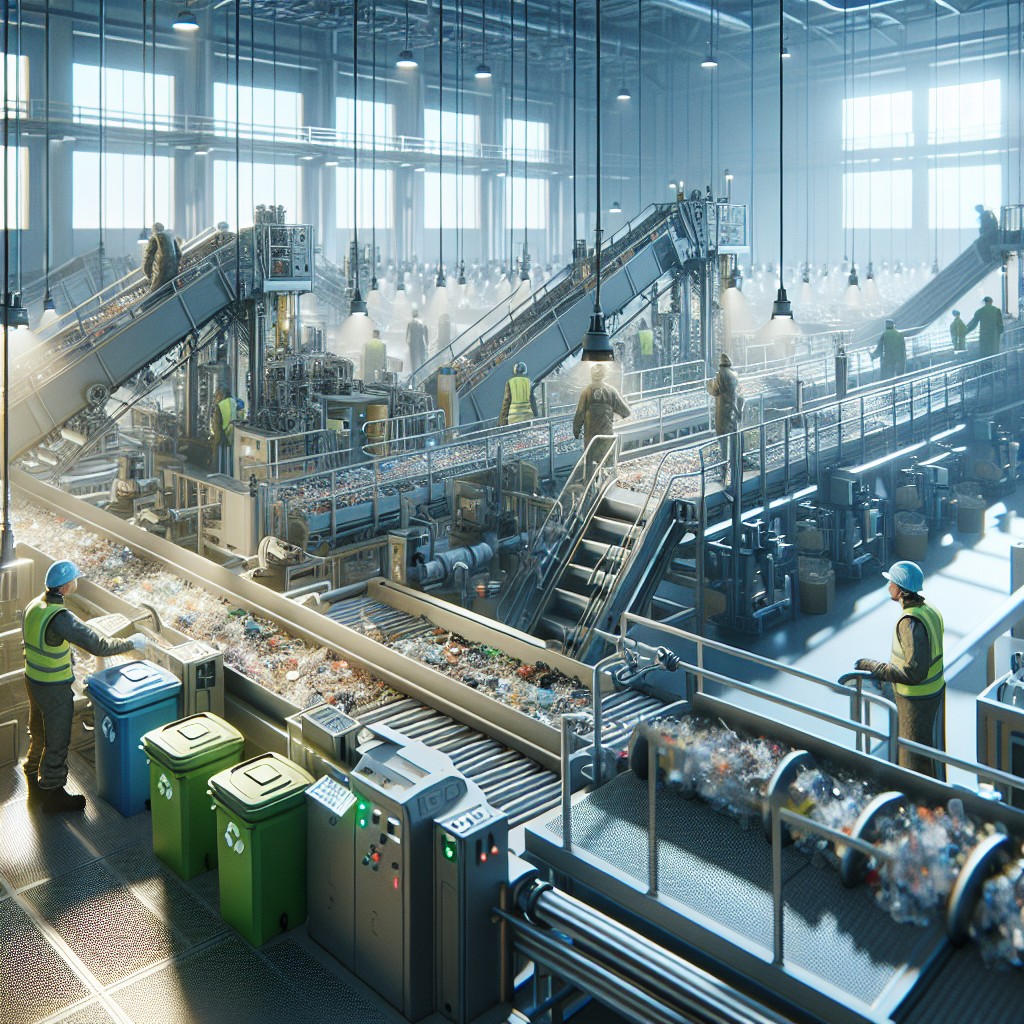
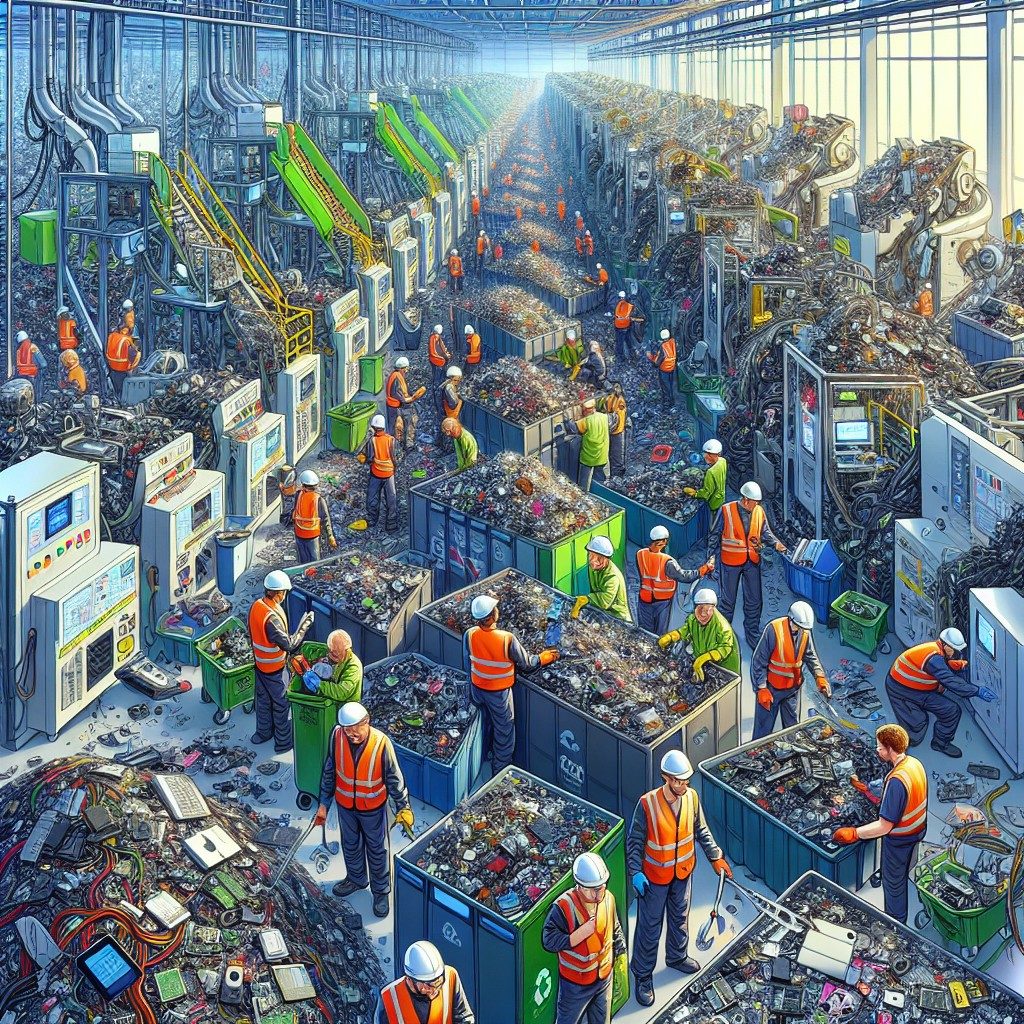
In recent years, recycling innovation has taken center stage in addressing global waste challenges. New technologies and processes are transforming waste materials into reliable raw materials, fostering sustainability and reducing dependence on virgin resources.
Advancements Driving Recycling Innovation
The field of recycling has experienced significant technological advancements that enhance the efficiency and quality of material recovery. Techniques such as advanced sorting systems, chemical recycling, and bio-based processing have improved the ability to extract reusable materials from complex waste streams. These innovations ensure that the recycled outputs possess consistent properties, making them suitable substitutes for primary raw materials in various industries.
Chemical Recycling and its Impact
Chemical recycling represents a major leap forward in the realm of recycling innovation. Unlike traditional mechanical recycling, it breaks down polymers into their original monomers or other valuable chemicals, allowing for the regeneration of high-grade plastics. This method addresses issues related to contamination and material degradation, enabling the production of recycled materials capable of competing with virgin inputs, thereby contributing to a circular economy.
Global Efforts Supporting Recycling Innovation
Countries worldwide are investing in recycling innovation to meet environmental targets and reduce landfill waste. Several international organizations and governmental bodies are promoting research, funding pilot projects, and establishing regulations that encourage the adoption of advanced recycling technologies. For example, the Ellen MacArthur Foundation advocates for circular economy principles that emphasize material reuse and innovation in recycling processes. Additionally, recycling innovation is recognized as a key factor in achieving energy efficiency and emissions reduction goals.
Challenges in Scaling Recycling Innovation
Despite progress, obstacles remain in scaling recycling innovations globally. High initial investments, lack of infrastructure, and variability in waste composition can limit the effectiveness and economic viability of new technologies. Moreover, coordination among stakeholders, including manufacturers, waste management companies, and policymakers, is essential to standardize processes and ensure consistent feedstock quality that supports reliable material recovery.
The Role of Industry and Consumers
Industries are increasingly integrating recycled materials into their supply chains due to the enhanced reliability provided by recent recycling innovations. Consumer awareness also plays a pivotal role, as proper sorting and disposal of waste facilitate the functioning of advanced recycling systems. Together, these efforts create a synergistic environment conducive to the more extensive use of secondary raw materials derived from waste.
Conclusion
Recycling innovation continues to evolve, offering feasible solutions that convert waste into reliable raw materials. As technologies mature and collaboration between sectors increases, these advancements are expected to play a critical role in sustainable resource management. The shift towards such innovation not only supports environmental goals but also contributes to economic resilience by reducing reliance on finite natural resources.
Frequently Asked Questions about recycling innovation
What is recycling innovation and why is it important?
Recycling innovation refers to new technologies and methods designed to improve the recovery and reuse of materials from waste. It is important because it helps reduce environmental impact and supports sustainable resource use by turning waste into reliable raw materials.
How does chemical recycling contribute to recycling innovation?
Chemical recycling breaks down materials to their basic chemical components, allowing for the production of high-quality recycled materials. This process enhances recycling innovation by addressing contamination and quality issues found in traditional mechanical recycling.
What challenges affect the adoption of recycling innovation globally?
Key challenges include high costs, limited infrastructure, variability in waste streams, and the need for collaboration among stakeholders. Overcoming these barriers is essential to expanding the benefits of recycling innovation worldwide.
How do industries benefit from recycling innovation?
Industries benefit by obtaining consistent and reliable raw materials from recycled sources, which can lower costs and improve sustainability credentials. Recycling innovation thus facilitates greater integration of recycled content in manufacturing processes.
Can consumers influence the success of recycling innovation?
Yes, consumers influence recycling innovation by properly sorting and disposing of waste, which ensures better feedstock quality for recycling technologies. Their participation supports the entire recycling value chain that relies on innovative processing methods.