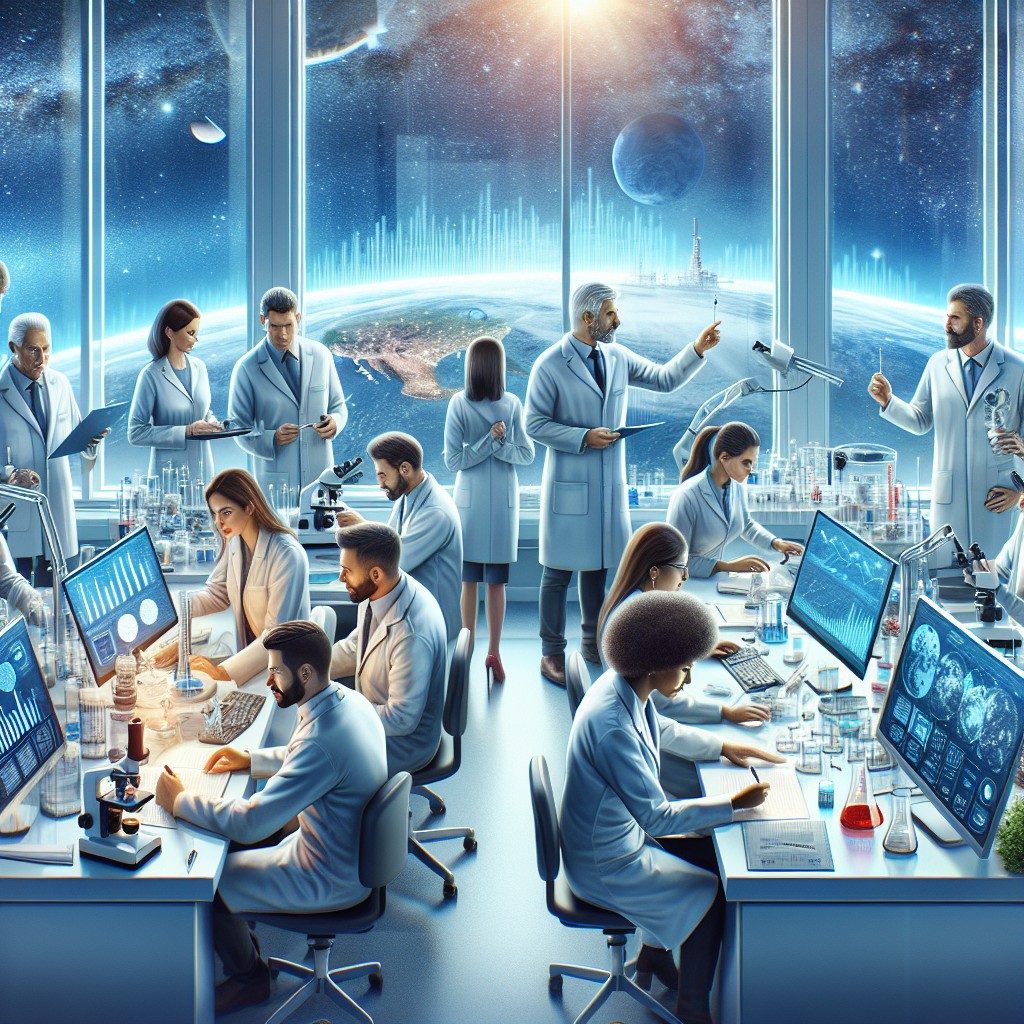
Recent advancements in medical science have ushered in a wave of medical breakthroughs that promise to transform patient care worldwide. As therapies progress from experimental stages to clinical settings, the potential for improved outcomes and disease management becomes increasingly tangible.
Gene Editing: The Frontier of Precision Medicine
Gene editing technologies, particularly CRISPR-Cas9, have emerged as powerful tools for treating genetic disorders. By enabling precise modifications at the DNA level, these therapies are moving beyond laboratory research into human trials. Recent studies targeting sickle cell anemia and inherited retinal diseases demonstrate how gene editing could offer curative solutions. Regulatory agencies have begun approving clinical testing protocols, signaling a shift from theory to practical application.
Immunotherapy Expands Horizons in Cancer Treatment
Immunotherapy, which harnesses the body’s immune system to fight cancer, continues to evolve with notable breakthroughs. Novel checkpoint inhibitors and CAR-T cell therapies have shown significant success in hematologic malignancies and are being extended to solid tumors. These developments are reflected in updated treatment guidelines and increased FDA approvals, underscoring their growing role in oncology.
Advances in Regenerative Medicine and Stem Cells
Regenerative medicine leverages stem cells and tissue engineering to repair or replace damaged tissues and organs. Clinical applications, including treatments for heart failure and neurodegenerative diseases, have made strides with recent trials demonstrating safety and efficacy. Efforts to scale manufacturing and ensure quality control are critical as these therapies transition from research settings into regular clinical use.
Digital Health Technologies Enhance Therapy Delivery
Innovations in digital health, such as AI-driven diagnostics and telemedicine platforms, contribute significantly to the translation of medical breakthroughs into patient care. These technologies facilitate early detection, personalized treatment plans, and remote monitoring, improving accessibility and adherence. The integration of digital tools in clinical workflows is helping to bridge gaps between laboratory research and practical healthcare delivery.
Challenges in Translating Research to Clinical Practice
Despite promising progress, numerous challenges persist in bringing medical breakthroughs from labs to patients. Ethical considerations, regulatory approvals, high development costs, and the need for robust clinical evidence require ongoing attention. Collaboration among researchers, clinicians, regulators, and industry stakeholders remains essential to navigate these hurdles effectively.
In conclusion, the landscape of medical breakthroughs is rapidly evolving, with therapies advancing beyond the laboratory into real-world patient care. Continued scientific innovation coupled with strategic regulatory and clinical integration is poised to shape the future of medicine, offering hope for improved health outcomes globally. Monitoring developments in gene editing, immunotherapy, regenerative medicine, and digital health will be key to understanding this transformative era.
Frequently Asked Questions about medical breakthroughs
What are medical breakthroughs and why are they important?
Medical breakthroughs refer to significant advancements in medical science that lead to new or improved therapies, diagnostics, or health interventions. They are important because they contribute to better disease management, improved patient outcomes, and overall public health.
How do medical breakthroughs move from laboratory research to clinical care?
The transition involves rigorous testing through clinical trials to evaluate safety and efficacy, followed by regulatory approvals. Afterward, therapies are integrated into clinical practice with guidelines to ensure standardized patient care.
What role does gene editing play in current medical breakthroughs?
Gene editing, especially through CRISPR technology, represents a major medical breakthrough by enabling precise correction of genetic defects. It is currently being tested in clinical trials for several hereditary diseases with promising results.
Are digital technologies considered part of medical breakthroughs?
Yes, digital health technologies such as artificial intelligence, telemedicine, and wearable devices are integral to medical breakthroughs as they enhance diagnosis, treatment personalization, and continuous patient monitoring.
What challenges affect the implementation of medical breakthroughs in healthcare?
Challenges include ethical issues, high costs, regulatory hurdles, and the need for long-term clinical data. Overcoming these is essential to ensure that medical breakthroughs effectively benefit patients in healthcare settings.